
Understanding Legal Animation and the Role It Plays at Trial
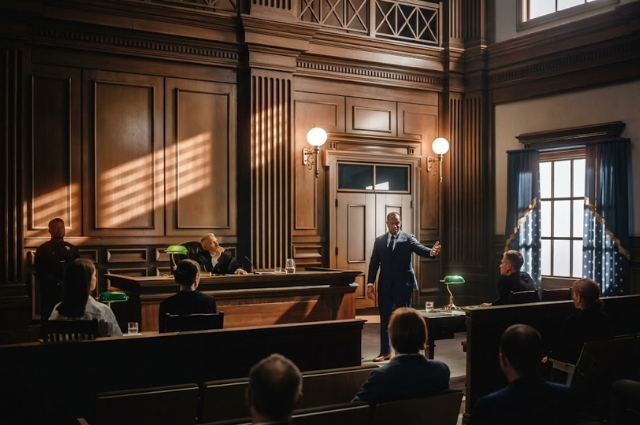
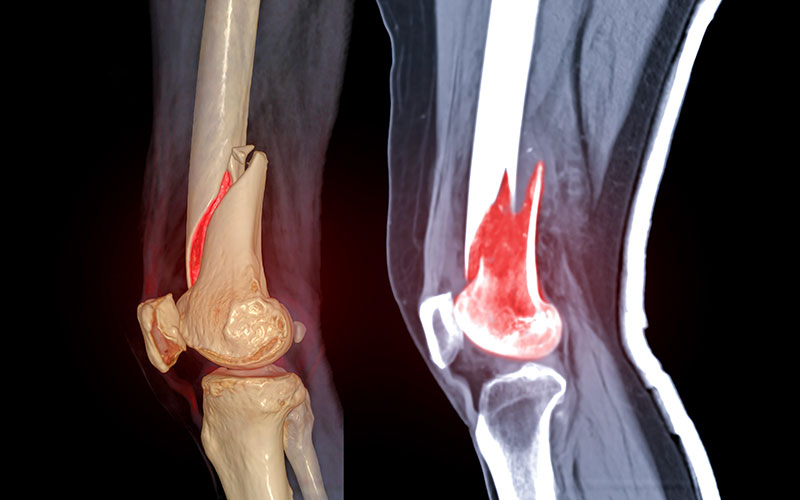
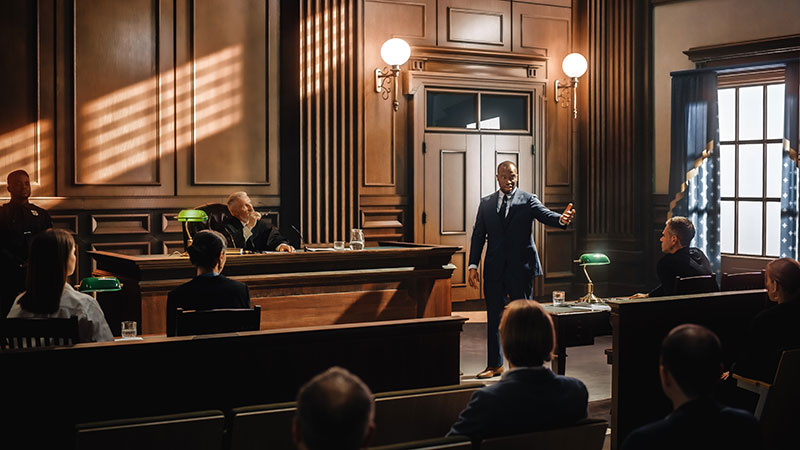
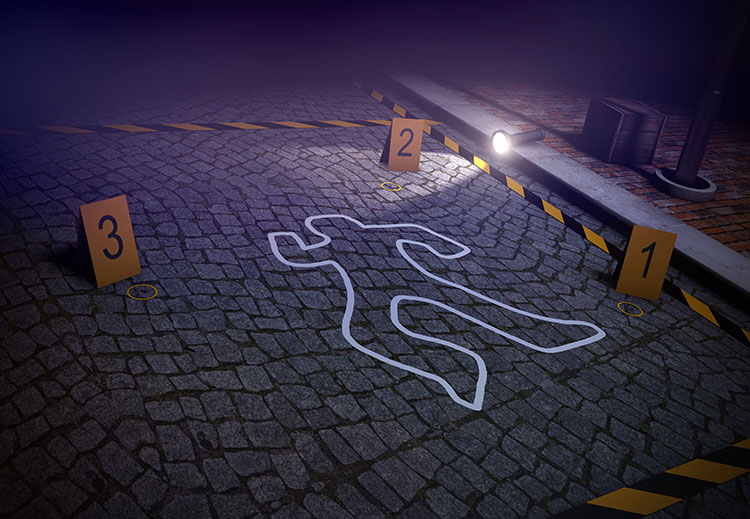
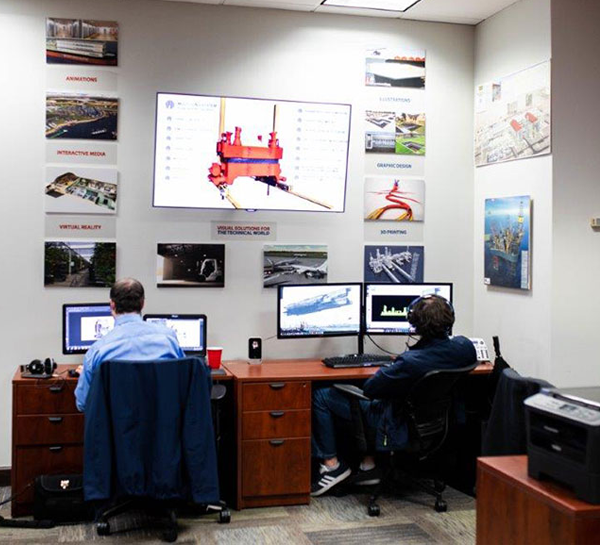
At its essence, legal animation is accurate, evidence-based motion graphics that reconstruct the events, conditions, and processes a case turns on. It has nothing in common with a glossy promotional video or a dramatized reenactment — it is disciplined work in which every distance, movement, and sequence ties back to the case record, expert analysis, and the physical facts. The aim is not to entertain but to make unmistakably clear to a judge or jury what happened, how, and why it matters. In the courtroom, this accomplishes what spoken testimony so often cannot, turning descriptions of speed, angle, anatomy, or an unfolding chain of events into something jurors can watch and truly absorb. Granbury attorneys turn to our animations — what many simply call courtroom animation — to anchor opening statements, reinforce expert testimony, and give jurors a dependable reference they take into deliberation, and those same exhibits serve just as well as explanatory aids or evidence in mediation, at trial, in appellate proceedings, and in class action matters. We construct each one to be explained, defended, and connected directly to the evidence supporting it. Done with care, a well-founded exhibit clears away confusion, holds the factfinder on the evidence, and strengthens the credibility of the witness presenting it — the measure every piece of our work must meet.