
A Division of Industrial3D

Legal Animation in Albuquerque, NM - LawFX

At LawFX, we create scientifically grounded, courtroom-ready legal animation for Albuquerque attorneys who need complex facts understood quickly and clearly. As a division of Industrial3D, we pair real graphics technology with genuine trial-practice experience, producing demonstrative exhibits built to inform judges and juries rather than simply impress them. Whether your case turns on a collision sequence, an injury mechanism, or a disputed timeline, our legal animation translates dense reports, testimony, and evidence — including voluminous ESI such as cell phone data — into visuals that hold up under scrutiny. Many attorneys also know this work as courtroom animation, and we approach every project the same way: with accuracy, foundation, and trial strategy in mind from the first frame. If you are preparing a New Mexico case and want exhibits that earn their place in the record, we invite you to request a quote.

Legal Animation

What Legal Animation Is and the Role It Plays at Trial

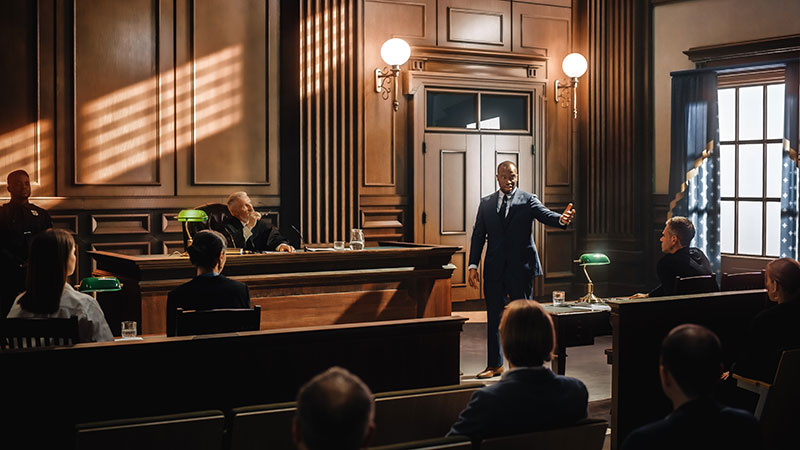
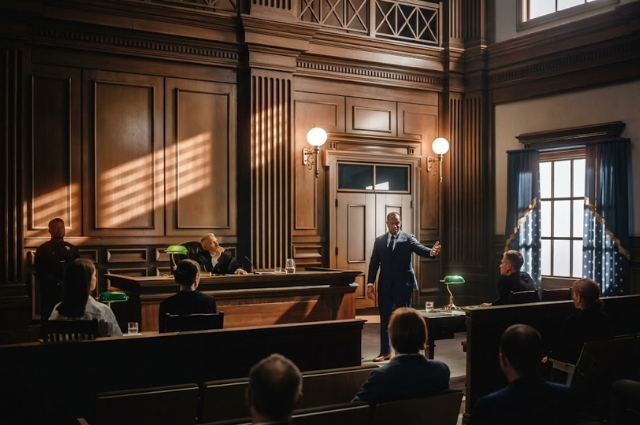
Legal animation is the use of accurate, evidence-based motion graphics to recreate the events, conditions, and processes at the center of a dispute. Unlike a polished marketing video or a dramatized reenactment, a legal animation is disciplined work: every movement, distance, and sequence is grounded in the case record, expert analysis, and the physical facts. The goal is not to entertain but to clarify — to show a judge or jury exactly what happened, how it happened, and why it matters. At trial, this does the work that words alone often cannot, turning testimony about speeds, angles, anatomy, or a chain of events into something jurors can actually see and follow. Attorneys use our animations — what many call courtroom animation — to anchor opening statements, support expert testimony, and give jurors a reliable reference they carry into deliberation, and they serve equally well as explanatory exhibits or evidence in mediation, at trial, in appellate proceedings, and in class action matters. We build each exhibit so it can be explained, defended, and tied directly to the evidence supporting it. Used properly, a well-founded exhibit reduces confusion, keeps the factfinder focused on the evidence, and strengthens the credibility of the witness presenting it — which is exactly the standard every piece of our work is held to.
Visual Clarity

How Legal Animation Turns Complex Evidence Into a Clear Story

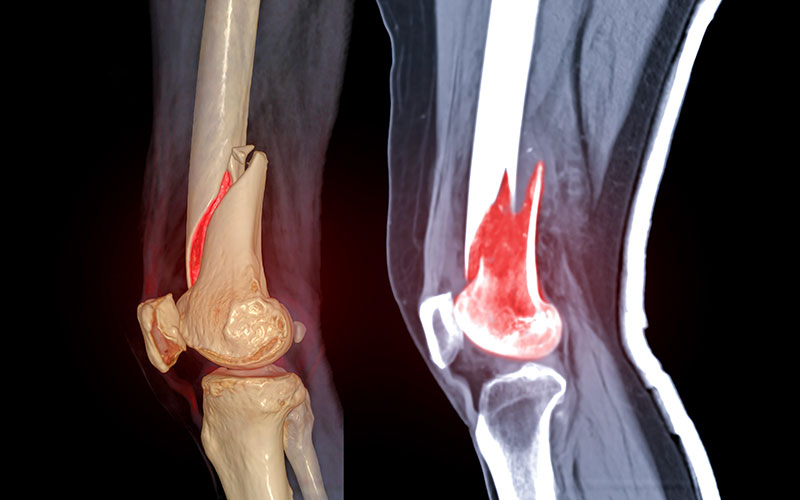
Complex cases ask jurors to hold a great deal in their heads at once — multiple vehicles, precise timing, medical anatomy, or the interaction of forces they have never had to picture before. When that information arrives only as spoken testimony and dense exhibits, even an attentive jury can lose the thread. Legal animation addresses this directly by giving the eye something to follow alongside the ear. Seeing a sequence unfold in space, at the correct scale and in the correct order, helps a factfinder grasp relationships that are difficult to convey in words. We focus on clarity over spectacle, building exhibits that make the underlying facts easier to understand rather than layering on detail that distracts from the point you need the jury to absorb.

Turning evidence into a clear story does not mean dramatizing it. It means organizing the established facts into a logical, visual sequence that mirrors how an expert reached a conclusion. We work from the materials in the case — reports, measurements, photographs, and testimony — and structure them so each step follows naturally from the last. The result is an exhibit that lets the jury move from cause to effect without guesswork, while staying firmly anchored to the record. Because every frame traces back to something in evidence, the narrative remains defensible under cross-examination. That balance — a story that is easy to follow yet rigorously tied to the facts — is the standard we hold our legal animation work to on every matter we take on.

Legal Animation Services

Types of Legal Animation We Create for New Mexico Cases

Our legal animation work spans the full range of disputes that depend on showing — not just telling — what happened. Drawing on the studio capabilities of Industrial3D, we produce exhibits tailored to each case type, from vehicle collisions to medical matters to industrial incidents. The six areas below reflect the core legal animation services we bring to New Mexico attorneys, each grounded in the evidence and built to support expert testimony throughout your case.

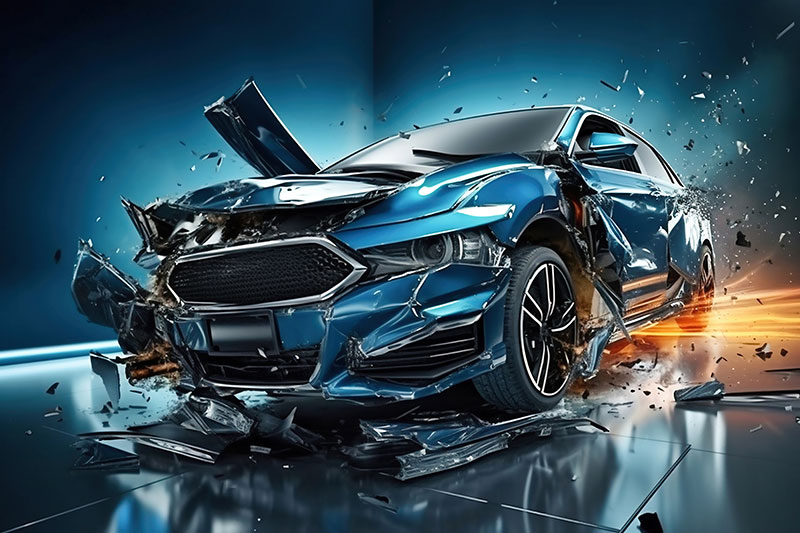
When a case turns on how a crash occurred, we reconstruct the collision and resulting injuries from the evidence, showing vehicle movement, points of impact, and the full sequence of events with the accuracy attorneys need to support liability and causation before a jury.

Crime Scene Reconstruction Techniques by LawFX

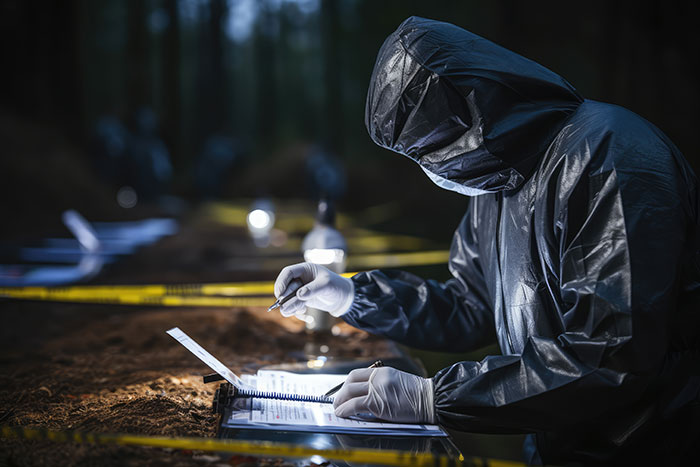
Our forensic animations recreate incidents from case data, expert reports, and physical evidence, translating measurements and findings into a faithful visual record that mirrors the analysis your expert performed, so the exhibit reinforces their conclusions and withstands scrutiny instead of introducing any unsupported assumptions.

Learn how our expert forensic animators use 3D computer animation to provide visual aids for legal cases and courtroom presentations.

Evidence-based reconstructions that fuse 3D rendering, computer animation, and forensics — converting accident reports, first-hand testimonies, and expert analyses into precise visual narratives for the courtroom. Applied across criminal, medical, patent, environmental, and property disputes nationwide.

Beyond animation, we produce demonstrative boards, timelines, and supporting graphics that organize the facts for hearings and trial, distilling dates, sequences, and relationships into clear visual references jurors can absorb at a glance and your team can rely on from opening statement through closing.

Expert Forensic Animation Services for Legal Cases | LawFX

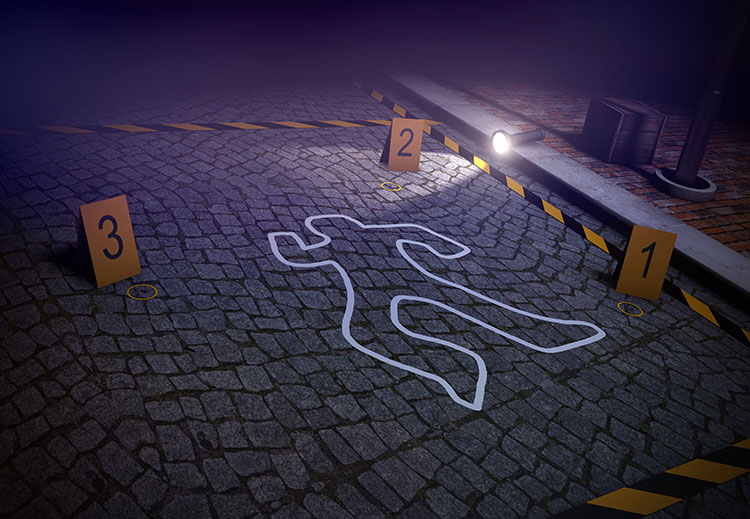
For criminal and civil matters alike, we reconstruct scenes and the sequence of events within them, recreating spatial relationships, positions, and movement from the available evidence to give the factfinder an accurate vantage point on disputed details that testimony and photographs cannot fully convey.

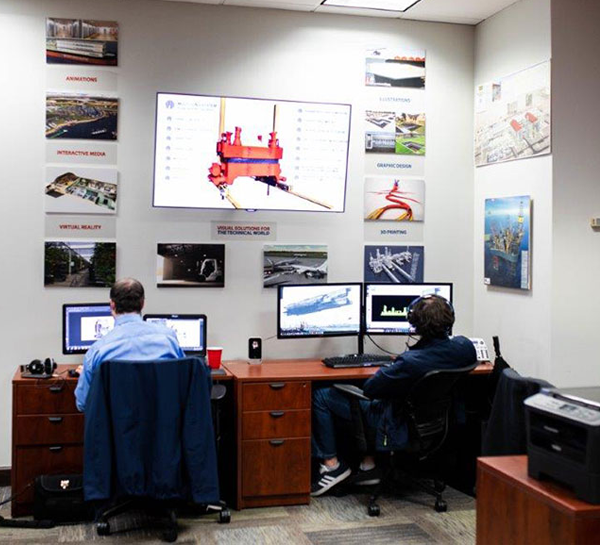
Drawing on Industrial3D’s technical roots, we animate industrial sites, equipment, and incidents for complex litigation, making specialized machinery and processes understandable to a lay jury by depicting how systems operate and where failures occurred without sacrificing the rigorous accuracy these highly technical cases demand.

Courtroom Admissibility

Are Legal Animations Admissible in Albuquerque Courtrooms?

Admissibility is usually an attorney’s first question, and rightly so — a compelling exhibit has no value if it cannot survive an objection. In general terms, the admissibility of a legal animation depends on its accuracy, the foundation laid for it, and how the court classifies it. We build every exhibit with those requirements in mind from the outset. Please note that the following is general information for attorneys, not legal advice; the distinctions below commonly shape these decisions, and your New Mexico counsel will apply the controlling rules to the facts of your specific case.

Legal Animation vs. Courtroom Simulation

Courts generally distinguish between an animation, which illustrates an opinion an expert reached independently, and a simulation, which uses a computer to draw its own conclusions and faces a higher reliability bar. We design our exhibits to function as demonstrative illustrations of established opinion.

Demonstrative Evidence vs. Substantive Evidence

Most legal animations enter as demonstrative evidence — visual aids that help explain testimony rather than serve as independent proof — and that classification shapes the foundation required to admit them. We build each exhibit to support a testifying expert and the evidence already on record.

Building Exhibits That Meet Relevance and Foundation Standards

Relevance and a proper foundation are the practical hurdles every exhibit must clear, so we address them by tying each detail to the case record and working closely with your expert, who can confirm the animation fairly and accurately represents the facts at issue.

Our Process

How Our Legal Animation Process Works From Intake to Verdict

Our process begins long before anyone touches a render. We start with a case review and consultation to understand the dispute, the theory you intend to present, and the evidence available to support it. From there we gather the underlying materials — reports, measurements, photographs, depositions, and expert findings — that will anchor the work, including any voluminous ESI such as cell phone data that needs to become a relatable exhibit. Once we understand the facts, we map out the sequence and framing of the exhibit and confirm the direction with your team before production begins. This early alignment matters: it lets your team flag concerns and ensure the animation will reflect the record accurately. By investing in this groundwork, we reduce surprises later and keep every subsequent step tied to the evidence rather than to assumption.

With the storyboard approved, we move into production, building the animation and submitting it for expert review so the testifying witness can confirm its accuracy. We then refine the work through revisions, adjusting detail until the exhibit faithfully represents the facts and supports the testimony it accompanies. Final exhibits are prepared for delivery in the formats your courtroom requires. Because litigation rarely stands still, our involvement does not end at delivery — our graphics team remains available through hearings and trial to make adjustments as strategy and rulings evolve. From intake to verdict, we treat the exhibit as a living part of your case, maintaining accuracy and readiness at every stage of the proceeding.

Expert Collaboration

Collaborating With Your Expert Witnesses for Defensible Exhibits

A legal animation is only as strong as the expert testimony it supports, which is why we treat collaboration with your witnesses as central to the work rather than an afterthought. Whether your case relies on your retained legal experts or, when necessary, medical professionals, we build the exhibit around their analysis and conclusions. Their findings guide the content, and their review confirms that what appears on screen matches what they are prepared to testify to under oath. This partnership keeps the animation aligned with the facts of the case and ensures it never strays beyond what the expert can support — which is exactly where opposing counsel will press hardest.

Working closely with your experts also makes the exhibit easier to admit and to defend. When a witness can testify that an animation fairly and accurately represents their opinion and the underlying evidence, it stands on a firm foundation. We share drafts, incorporate feedback, and adjust detail so the final product reflects the expert’s reasoning precisely. That iterative collaboration protects the integrity of the exhibit and the credibility of the witness presenting it. Our role is to give your expert a clear, accurate visual extension of their testimony — one that helps the jury understand their conclusions while holding up to cross-examination. The result is a demonstrative exhibit that strengthens your case rather than exposing it to avoidable challenge.

Cases We Support

Case Types Where Legal Animation Makes the Biggest Impact

Legal animation delivers the greatest value in cases where the facts are disputed and difficult to picture. Personal injury matters are a natural fit: when liability and causation hinge on how a collision unfolded or how an injury occurred, a clear reconstruction can resolve confusion that testimony alone leaves open. Trucking and auto collision cases benefit from the same clarity, especially where speed, positioning, and timing are contested. In product liability disputes, animation can show how a component was meant to function and where it failed, while medical malpractice cases often turn on whether a jury can follow what happened inside the body — exactly the complexity our medical-legal exhibits are built to make accessible. Premises liability claims depend on conditions and sight lines that photographs struggle to convey, wrongful death cases require reconstructing events with care and precision, and in criminal defense, scene reconstruction can clarify positioning, movement, and timing that bear directly on the questions before the jury. Across all of these matters, the common thread is the same: when a case depends on the factfinder truly understanding a complex event, a well-founded exhibit can change how persuasively it is presented and how confidently a jury can act.

Trial and Settlement Advantage

How LawFX Legal Animation Strengthens Your Position at Trial and in Settlement

A well-built legal animation does more than illustrate — it strengthens the position you are arguing. At trial, a clear exhibit helps simplify the most complex facts of your case, giving the jury a reliable way to follow your theory and your expert’s reasoning. When jurors understand what happened, they are better equipped to weigh it, and the credibility of the witness presenting the exhibit tends to rise with the clarity of the visual. We design our animations to keep the factfinder focused on the evidence and on the narrative you have built around it, reducing the openings that confusion creates for opposing counsel. The payoff is a presentation that is easier to follow, harder to misread, and more persuasive where it counts.

That advantage is not limited to the courtroom. The same exhibit that clarifies your case for a jury can shape negotiations long before trial. In mediation and settlement discussions, a clear, credible animation shows the opposing side exactly how your narrative will land in front of a jury, which can meaningfully strengthen your leverage. Demonstrating that you are prepared to present a complex case clearly and convincingly often changes the calculus on the other side of the table. We build exhibits that work in both settings, so the investment you make in visualizing your case supports you whether the matter resolves at the negotiating table or proceeds to verdict. In either path, the goal is the same: present the truth of your case as clearly and compellingly as possible.

The LawFX Advantage

Why Choose LawFX for Legal Animation and Courtroom Illustration in Albuquerque?

Attorneys choose LawFX because we combine two things that rarely sit together: serious graphics capability and a genuine understanding of how trials work. We are a division of Industrial3D, a 3D animation studio with deep technical experience, and our legal work is shaped by a foundation in trial practice rather than marketing production. That heritage informs how we approach every exhibit — with an eye toward foundation, admissibility, and the realities of presenting evidence to a jury. Our practice was built on recognized animation expertise, and that standard of accuracy carries through everything we produce. When you work with us, you are working with a team that understands both the artistry of visualization and the discipline the courtroom demands of it.

Our capabilities span the full visual needs of a case. Alongside legal animation, we produce courtroom illustration and a broader range of demonstrative exhibits, so your team can rely on a single, consistent source for the visuals that carry your argument. That breadth means the timeline, the reconstruction, and the supporting graphics all share the same standard of accuracy and the same attention to how they will be received in court. We bring this work to attorneys in Albuquerque and across New Mexico, pairing technical strength with a clear focus on what actually persuades a factfinder. Choosing LawFX means choosing a partner invested in the outcome of your case, not simply the appearance of your exhibits — one that treats your credibility as carefully as its own.

LawFX legal animation courtoom animations Tulsa Houston office
Live Trial Support

Real-Time Courtroom Animation Support When Strategy Shifts

Litigation rarely follows the script. Evidentiary rulings change what you can show, a witness testifies to something unexpected, and strategy evolves in real time as a trial unfolds. Static exhibits prepared weeks in advance can suddenly need adjustment on short notice, and a graphic that no longer matches the record is worse than no graphic at all. We built our courtroom animation support around this reality. Rather than handing over finished files and stepping away, we stay engaged through the live phases of your case, ready to respond when the situation on the ground demands it. That readiness gives your team the flexibility to adapt without losing the visual support your argument depends on at the most critical moments.

In practice, this means our graphics team remains available to you during litigation events, including hearings and trial, to make adjustments as circumstances change. When a ruling reshapes what an exhibit may include, we can refine it to meet the court’s requirements. When testimony opens a new line of argument, we can help your visuals keep pace. This on-call, real-time support is one of the clearest ways we differ from a vendor that simply delivers a file and disappears. We treat your trial as an active engagement, standing by to keep your exhibits accurate, compliant, and effective right through to the verdict. For attorneys carrying the pressure of a live courtroom, that responsiveness can make a decisive difference.

Local Courtroom Support

Legal Animation Built for Albuquerque and New Mexico Litigation

We work with attorneys litigating in Albuquerque and throughout New Mexico, building legal animation that fits the cases tried in this state’s courtrooms. From matters in the state district courts to cases in federal court, we understand that exhibits must serve the specific proceeding they are prepared for, and we tailor our work to the venue and the audience accordingly. Albuquerque sees a steady volume of the personal injury, collision, and complex civil litigation where strong demonstrative evidence carries real weight, and we focus our support on helping local counsel present those cases as clearly as possible. Our aim is to be a dependable visual partner for the New Mexico legal community, attuned to how these cases are actually argued and decided.

Supporting New Mexico attorneys does not require us to be on every street corner; it requires us to be responsive, accurate, and available when you need us. We collaborate with your team throughout the engagement, gathering the evidence and case materials the work requires, and remaining reachable through the preparation and trial phases that matter most. That service-area approach lets us bring substantial production capability to your matter while staying closely engaged with the particulars of your case. Whether you are preparing for mediation or heading into trial in Albuquerque, we are positioned to deliver exhibits that meet the moment. Our commitment is simple: give New Mexico litigators the same caliber of legal animation that the most demanding cases anywhere would expect.

FAQs

Legal Animation FAQs: Answers to Attorneys' Most Common Questions

In general, legal animations can be admissible in New Mexico courts when they are accurate, properly founded, and offered for an appropriate purpose. Most enter as demonstrative evidence — visual aids that help explain an expert’s testimony rather than serve as independent proof. Admissibility typically depends on showing that the exhibit fairly and accurately represents the relevant facts and the opinion it illustrates. We build every animation to that standard, tying each detail to the record and working with your expert to support the foundation. Because the controlling rules apply to the specifics of each case, your New Mexico counsel should make the final determination.

The distinction matters because courts often treat the two differently. A legal animation illustrates an opinion your expert reached independently — it is a visual depiction of their analysis, much like a sophisticated drawing in motion. A simulation, by contrast, uses a computer to process data and generate its own conclusions about what occurred, which generally subjects it to a higher reliability standard. Our exhibits are designed to function as animations: demonstrative illustrations of established expert opinion, grounded in the evidence. Keeping that line clear helps the exhibit support your witness without inviting the heightened scrutiny a simulation can attract.

Timelines vary with the complexity of the exhibit, the volume of evidence, and how much expert input is required, so the honest answer is that it depends on the case. A focused, straightforward exhibit moves faster than a detailed multi-scene reconstruction drawn from extensive data. The most important factor is starting early: engaging us well before key deadlines gives us room to gather materials, develop the storyboard, complete expert review, and refine the work without rushing the accuracy that admissibility depends on. We will give you a realistic schedule once we understand your case, and we structure the process to have polished exhibits ready when your proceeding requires them.

Yes — close collaboration with your experts is central to how we work. Your retained legal experts and, when necessary, medical professionals provide the analysis and conclusions that guide the exhibit, and their review confirms that what we produce matches what they are prepared to testify to. We share our work, incorporate their feedback, and adjust detail until the animation faithfully reflects their reasoning. This partnership keeps the work aligned with the facts of your case and ensures the exhibit never moves beyond what your witness can support. It also strengthens the foundation, since the testifying expert can confirm the animation fairly and accurately represents their opinion.

Legal animation adds the most value where facts are disputed and hard to visualize. Personal injury, trucking and auto collision, product liability, medical malpractice, premises liability, wrongful death, and criminal defense matters are all strong candidates, because each can hinge on a sequence of events, a mechanism of injury, or a spatial relationship that words struggle to convey. Cases involving technical systems or complex anatomy benefit especially, since a clear exhibit makes specialized evidence accessible to a lay jury. If your matter requires the factfinder to truly understand how something happened, it is likely a strong fit for the demonstrative work we provide.

Absolutely. While we build exhibits to perform in front of a jury, the same clarity is valuable well before trial. In mediation and settlement negotiations, a credible animation shows the opposing side exactly how your case will be presented and understood by a factfinder, which can meaningfully strengthen your position. Demonstrating that a complex matter can be made clear and persuasive often influences the other side’s assessment of risk. Many attorneys use our work in demand packages and settlement discussions for precisely this reason. We design exhibits to support you in both settings, so the investment serves your case whether it resolves early or proceeds to verdict.

Get Started

Partner With LawFX for Courtroom-Ready Legal Animation in Albuquerque

When your case depends on a jury truly understanding what happened, the quality and credibility of your exhibits matter. At LawFX, we bring together the technical strength of Industrial3D and a genuine grounding in trial practice to produce legal animation and courtroom illustration that are accurate, defensible, and built to be admitted. From the first consultation through expert review, revisions, and real-time support at trial, we partner with Albuquerque and New Mexico attorneys to turn complex evidence into clear, persuasive visuals — work that strengthens your position at the negotiating table and before the jury alike. If you are preparing a case and want exhibits that earn their place in the record, we would welcome the chance to help.