
Forensic Animation and How It Serves a Trial
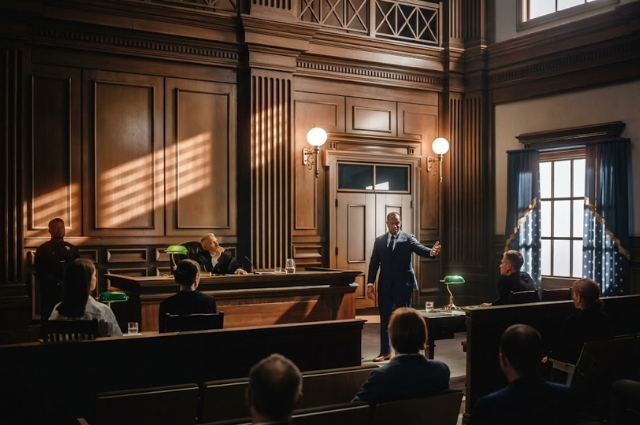
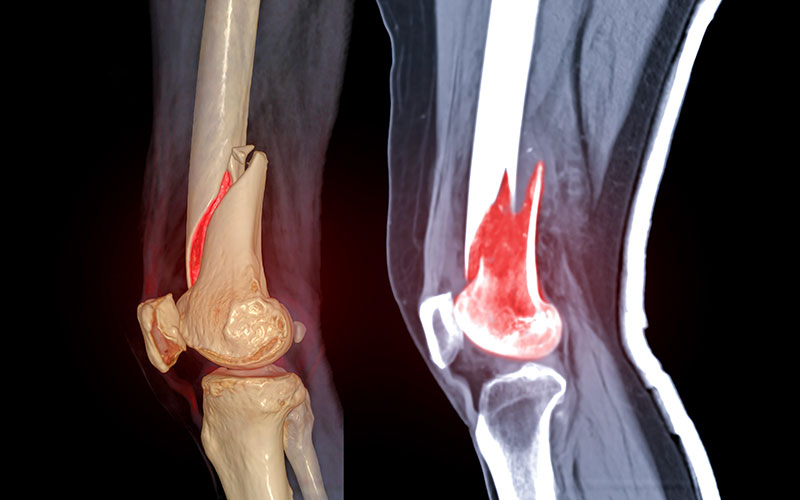
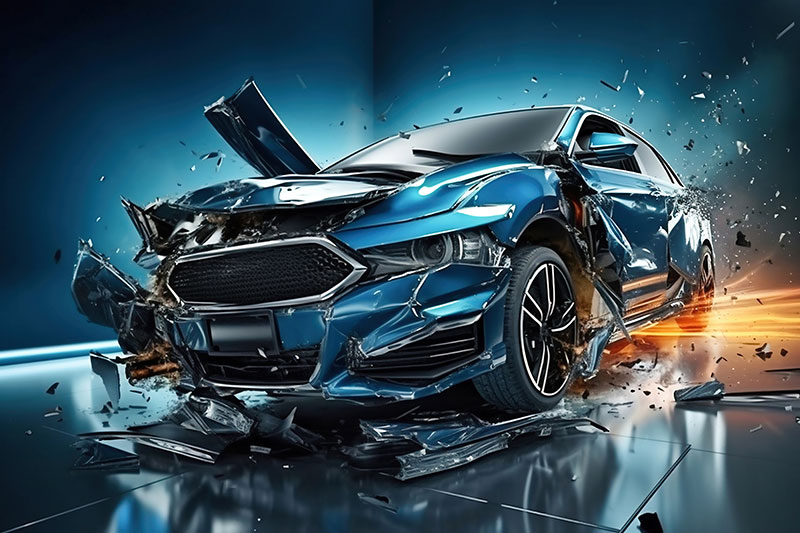
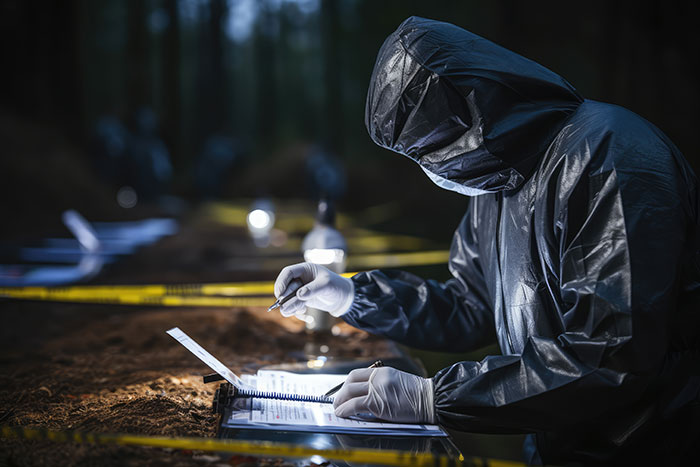
Forensic animation is the work of rebuilding a real event in three dimensions, letting a courtroom watch it unfold rather than assemble it from spoken testimony. When words alone would leave a jury piecing together a complicated sequence, an animation sets it out plainly, every movement anchored to what the facts establish. Its power lies in restraint: a well-built animation hews to the record, claims no more than can be proven, and offers the judge and jury one clear account they can all follow with confidence. We begin with the case file — the reports, documentation, photographs, measurements, and expert findings that fix what is known — and shape them into a coherent visual story. At each step we work closely with counsel and their experts, making sure every detail on screen rests on something concrete and verifiable. A finished animation can show how a collision occurred, reveal how an injury happened, or lead a jury through a timeline that words convey poorly on their own. Since it is designed to illustrate testimony rather than replace it, a forensic animation usually appears with an expert who can confirm it fairly and accurately captures their conclusions. Built with that discipline, it becomes one of the most dependable ways to let a courtroom see exactly what truly took place.